Best Wireless Earbuds 2025 Review: Top Picks Compared for Australians
The wireless earbuds market in 2025 has matured significantly, bringing together exceptional audio fidelity, smarter features powered by AI, and all-day endurance. Whether your priority is immersive listening, seamless integration with your devices, or durability for active use, there’s an option designed with you in mind.
This year, notable innovations include more adaptive noise cancellation, AI-driven sound optimisation that adjusts automatically to your surroundings, and stronger iOS and Android ecosystem ties. As earbuds evolve from simple wireless headphones into smart companions, buyers now face more meaningful choices than ever.
Pricing also continues to settle: premium sets hold their value while mid-range options add ANC, better microphones, and longer battery life. That means you can shop more confidently at multiple price points without sacrificing must-have features.
With so many premium and mid-range options available, we’ve tested and compared the best wireless earbuds in Australia for 2025. Let’s explore the contenders and determine which set best matches your lifestyle.
Contenders at a Glance
| Product | Price (AUD) | ANC | Codecs | Battery (buds) | IP Rating | Strengths | Weaknesses | Best For | Store Link |
|---|---|---|---|---|---|---|---|---|---|
| Apple AirPods Pro (3rd Gen) | $429 | Yes | AAC, Lossless* | ~7 hr | IPX4 | Seamless Apple ecosystem, lossless-ready | Less appeal for Android users | iPhone / iPad users | Buy on Amazon |
| Sony WF-1000XM5 | $328 | Yes | LDAC, AAC, SBC | ~8 hr | — | Best overall sound & ANC | Pricey | Audio purists & frequent travelers | Buy on Amazon |
| Bose QuietComfort Ultra Earbuds (2nd Gen) | $382 | Yes | aptX Adaptive* | ~6 hr | — | Best-in-class ANC and comfort | Expensive, bulky case | Comfortable premium listening | Buy on Amazon |
| Google Pixel Buds 2a | $239 | Yes | AAC, SBC | ~7 hr | IP54 | Budget ANC with Google AI | Limited spatial audio | Android users on a budget | Buy on Amazon |
| Shokz OpenDots One | $339 | No | — | ~10 hr | — | Comfortable, safe open-ear design | Reduced isolation | Active users / glasses wearers | Buy on Amazon |
*Lossless support requires compatible devices such as Vision Pro or iPhone 15 Pro models.
*Snapdragon Sound/aptX family support varies by phone.
Reviews – Let’s Take a Closer Look
Apple AirPods Pro (3rd Gen)
Pros
- Enhanced H3 chip delivers stronger ANC and adaptive transparency
- Lossless audio support with Vision Pro and iPhone 15 Pro
- Longer 7-hour battery life with USB-C case
- Seamless Apple ecosystem integration and spatial audio
Cons
- Features limited on Android
- Still more expensive than most rivals
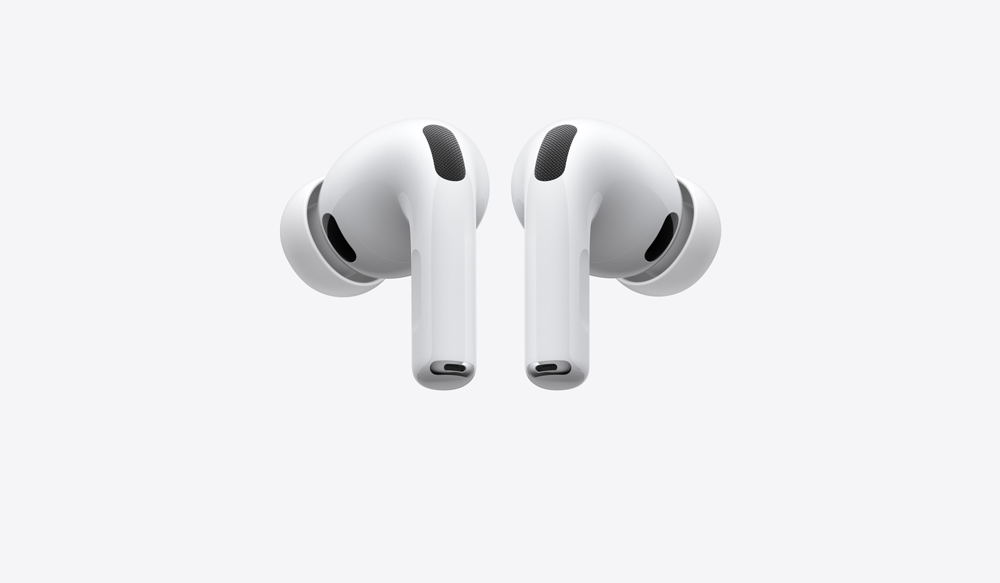
Apple’s AirPods Pro (3rd Gen) refine everything users loved about the previous version, pushing integration, sound quality, and noise cancellation further. Powered by the new H3 chip, they deliver noticeably improved ANC and smarter Adaptive Transparency that automatically balances awareness in real time.
One of the headline upgrades is lossless audio support when paired with Vision Pro or the latest iPhone 15 Pro models—bringing wired-level fidelity to wireless for the first time in Apple’s lineup. The upgraded USB-C case adds faster charging and extends battery life to around seven hours per charge.
Spatial Audio remains among the best in the market, with personalised head tracking that feels more natural during movies and games. Calls are clearer thanks to advanced beamforming microphones and improved wind resistance.
While Android compatibility remains limited, the AirPods Pro 3 set the bar for convenience and sonic polish within Apple’s ecosystem.
Summary: A major leap for Apple’s earbuds, blending better ANC, longer life, and true lossless support.
Best for: iPhone users who want the most seamless, premium experience.
| Product | Price (AUD) | Store Link |
|---|---|---|
| Apple AirPods Pro (3rd Gen) | $429 | Buy on Amazon |
Sony WF-1000XM5
Pros
- Industry-leading ANC and immersive, balanced sound
- LDAC high-resolution streaming on supported Android devices
- Deep app controls (EQ, Adaptive Sound, ear fit test)
Cons
- Premium price
- Touch controls may need fine-tuning
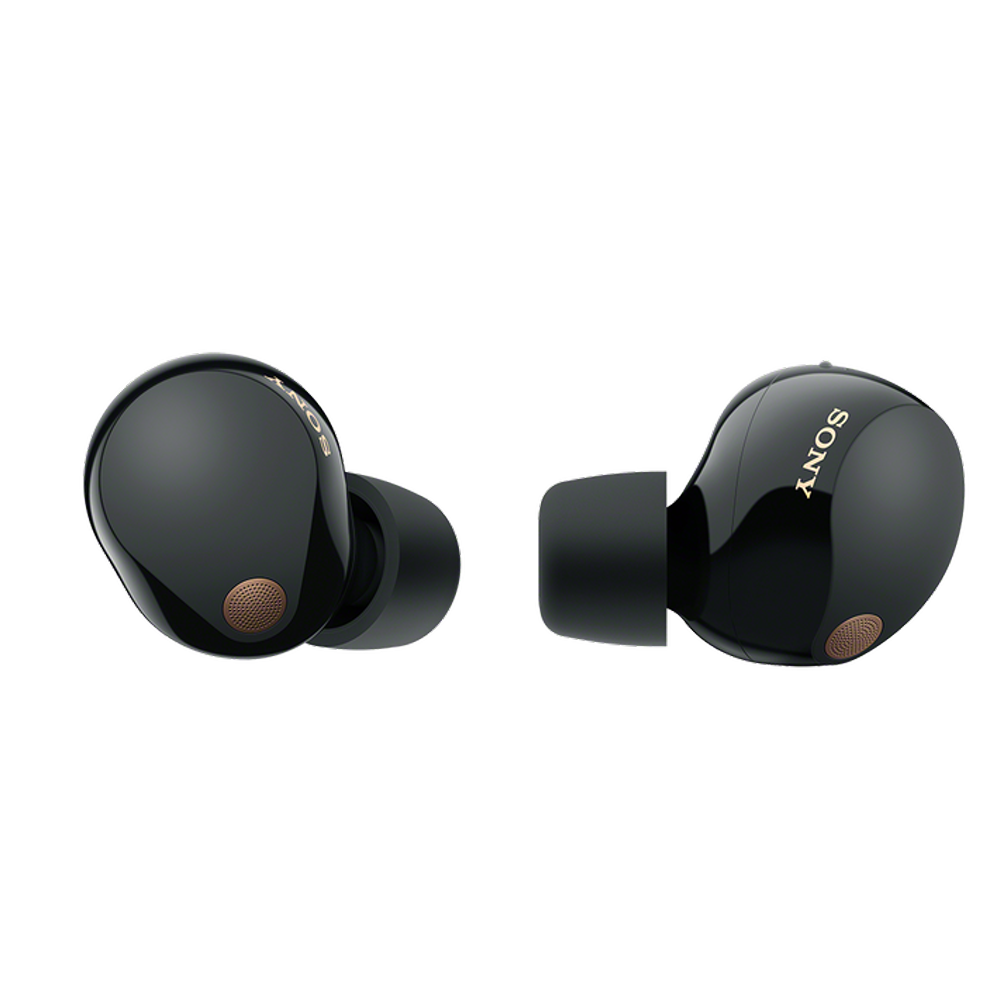
Sony’s WF-1000XM5 remain the reference point for true wireless audio. The drivers deliver a rich, holographic stage with clean mids and controlled bass, while Sony’s processor keeps noise out without over-pressurising your ears.
LDAC support elevates detail retrieval on compatible Android phones, yet the XM5 also sound excellent on iOS via AAC. Call quality is strong thanks to bone-conduction sensors and advanced noise reduction, making them a reliable daily driver.
The Headphones Connect app is a differentiator: granular EQ, Adaptive Sound Control, ear-tip fit tests, and spatial options let you tailor the experience. Battery life hits a solid ~8 hours per charge, enough for long commutes or work sessions.
If you want a single pair that excels almost everywhere—travel, office, gym—the XM5 set the all-rounder standard in 2025.
Summary: A polished, audiophile-leaning all-rounder with class-leading ANC and customisation.
Best for: Sound quality seekers and frequent flyers.
| Product | Price (AUD) | Store Link |
|---|---|---|
| Sony WF-1000XM5 | $328 | Buy on Amazon |
Bose QuietComfort Ultra Earbuds (2nd Gen)
Pros
- The strongest, most consistent ANC in class
- Exceptionally comfortable, secure fit
- Clear, lively tuning with excellent vocals
Cons
- Pricey compared to rivals
- Larger case than most
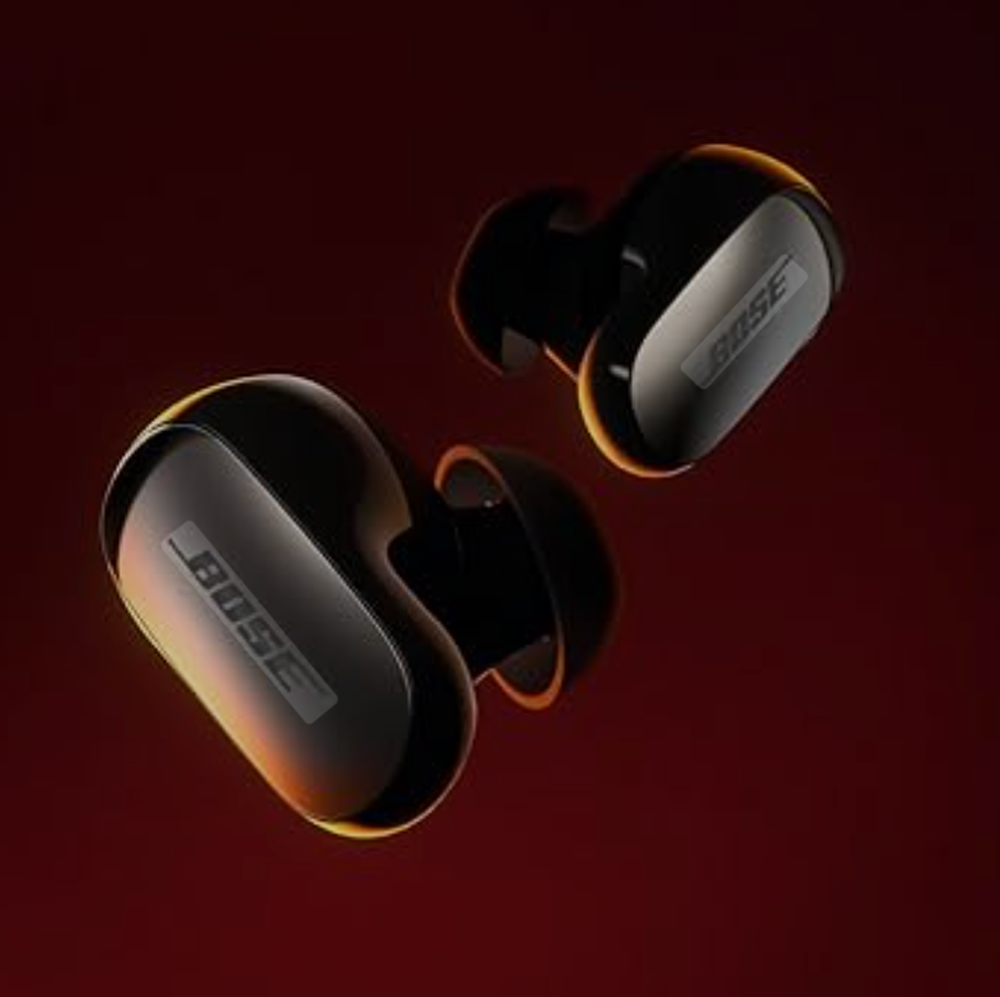
Bose continues to own the noise-cancelling crown with the QuietComfort Ultra. They hush cabin rumble and office chatter more effectively than most competitors, which is a game-changer for travel and open-plan work.
Comfort is a highlight: the lightweight build and soft stability bands make marathon sessions easy. The sound profile is engaging—punchy low-end, articulate mids, and smooth treble—suited to pop, podcasts, and long playlists.
Call quality is dependable and wind reduction is improved, while the companion app keeps things simple with useful but not overwhelming controls. Battery life lands around six hours per charge; not class-leading, but acceptable given the ANC strength.
If comfort and quiet are your non-negotiables, Bose’s tuning and fit make these an easy recommendation.
Summary: Peerless ANC and comfort with a lively, fatigue-free sound.
Best for: Travellers and anyone prioritising the quietest experience.
| Product | Price (AUD) | Store Link |
|---|---|---|
| Bose QuietComfort Ultra Earbuds | $382 | Buy on Amazon |
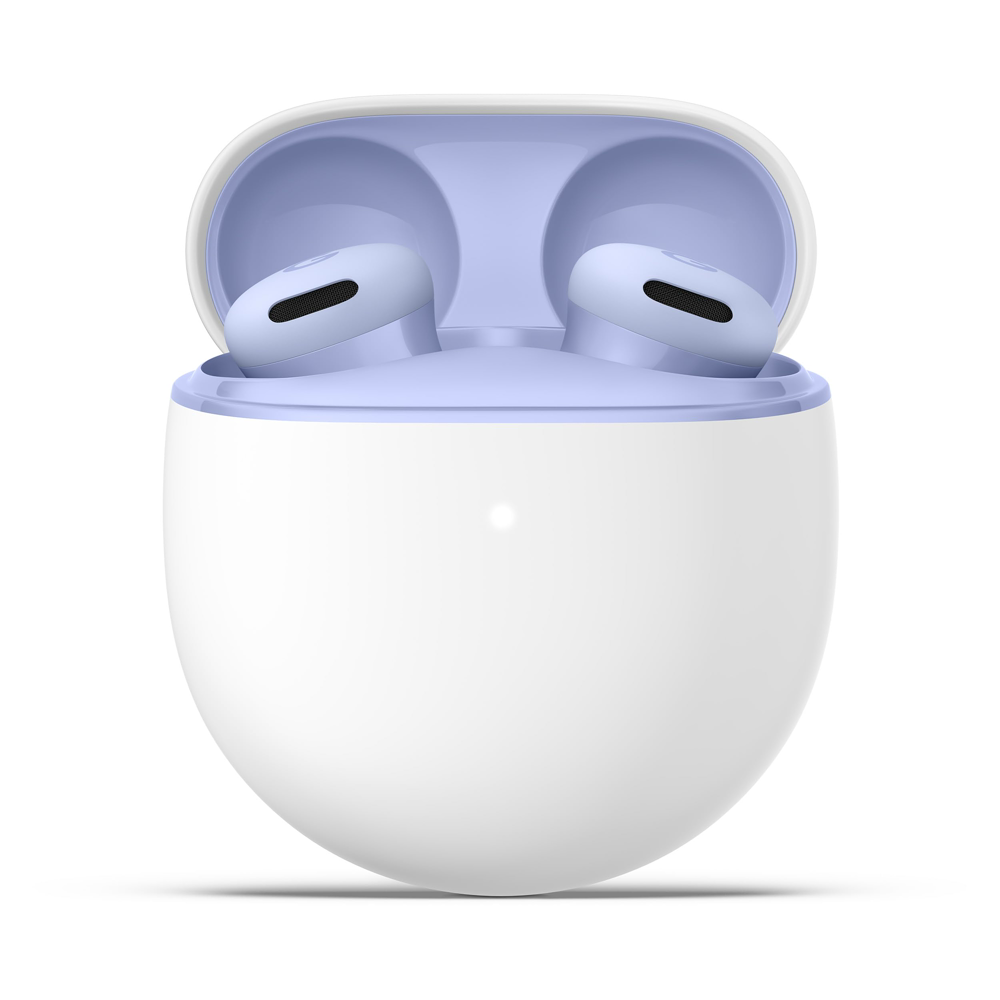
Google Pixel Buds 2a
Pros
- Affordable ANC with tight Android integration
- Helpful Gemini AI features and quick pairing
- IP54 resistance and long single-charge life
Cons
- Spatial audio mostly limited to Pixel devices
- Not the very cheapest in its class
Pixel Buds 2a nail the everyday essentials at a friendlier price. Setup on Android is instant, Google Assistant is responsive, and ANC is effective enough for commuting and office use.
Battery life is a bright spot at around seven hours per charge with ANC, and the compact case slips easily into pockets. The fit is ergonomic and secure without excessive ear fatigue.
While spatial features skew toward Pixel phones, the value equation remains strong for most Android users. Call quality and multipoint reliability are solid for the money.
If you want smart features and ANC without going premium, 2a are the sweet spot.
Summary: Smart, practical ANC earbuds that overdeliver for the price.
Best for: Android users seeking AI-powered value.
| Product | Price (AUD) | Store Link |
|---|---|---|
| Google Pixel Buds 2a | $239 | Buy on Amazon |
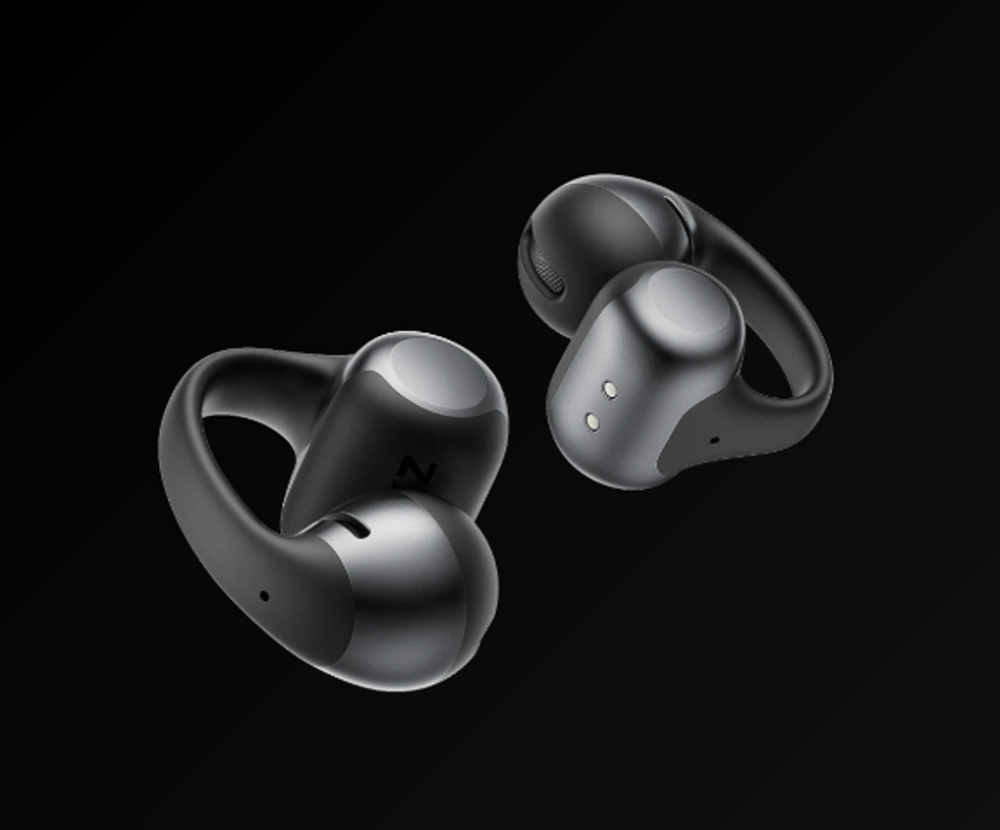
Shokz OpenDots One
Pros
- Open-ear comfort that plays well with glasses
- Stable clip-on design for workouts and commutes
- Excellent 10-hour single-charge life
Cons
- No isolation means noisy spaces affect clarity
- Not as immersive as sealed in-ears
Shokz OpenDots One rethink how “earbuds” should fit. By clipping outside the ear canal, they preserve awareness for traffic, conversations, and gym announcements while keeping pressure off your ears.
Despite the open design, sound is fuller than expected thanks to clever tuning that adds body without boom. They’re also among the most comfortable options for people who dislike in-ear tips or wear glasses.
Battery life is a standout at ~10 hours per charge, and the lightweight build disappears during runs or long walks. As with all open-ear designs, loud environments can intrude, so they’re best where awareness is an advantage.
For safety-first listening and all-day comfort, OpenDots One hit a unique sweet spot.
Summary: Comfortable, awareness-friendly listening for active routines.
Best for: Runners, cyclists, and glasses wearers who dislike in-ear tips.
| Product | Price (AUD) | Store Link |
|---|---|---|
| Shokz OpenDots One | $339 | Buy on Amazon |
Conclusion
In 2025, the true wireless landscape is more refined than ever, but the Apple AirPods Pro (3rd Gen) stand out as the benchmark for everyday excellence. They are not just an incremental upgrade—Apple’s H3 chip, improved ANC, longer battery life, and new lossless audio capability push the boundaries of what’s possible in portable listening. For anyone in the Apple ecosystem, they offer the smoothest pairing, best call quality, and the most intelligent feature integration available today, which is why they now lead our list.
The Sony WF-1000XM5 remain peerless for listeners who prioritise sound quality and control. Their tuning is more spacious and dynamic than most rivals, and Sony’s app-level customisation—from EQ to Adaptive Sound profiles—means you can tailor the XM5 to everything from late-night jazz to bass-forward EDM. If you want the most flexible, audiophile-friendly option without sacrificing class-leading ANC, Sony continues to be the safest buy.
For travellers, the Bose QuietComfort Ultra Earbuds (2nd Gen) still provide the most reliable silence in real-world conditions. Their comfort allows you to wear them for long-haul flights and back-to-back meetings without fatigue, and their ANC handles both low-frequency rumbles and unpredictable office chatter. When peace is the priority, Bose remain the tool of choice.
On value, Google Pixel Buds 2a manage to feel premium where it matters. Their ANC is competent, the fit is secure, and their battery life is generous—plus they integrate seamlessly with the Android features many people use every day. For students, everyday commuters, or anyone who wants solid performance without a flagship price, the 2a are hard to beat.
Shokz OpenDots One are a reminder that isolation isn’t always the goal. If you run at dawn, cycle through traffic, or simply dislike ear-tips, the open-ear approach keeps you alert while still delivering enjoyable sound. They won’t satisfy bass-heads or frequent flyers, but they excel at comfort, safety, and endurance for active lifestyles.
Bottom line: AirPods Pro 3 define premium convenience and polish for Apple users; Sony WF-1000XM5 win on sound and tuning flexibility; Bose QuietComfort Ultra dominate for quiet and comfort; Pixel Buds 2a provide the smartest budget balance; and Shokz OpenDots One are the awareness-first pick. Choose based on where you listen most—ecosystem, travel, budget, or safety—and enjoy a class of earbuds that finally feels mature.
Recommendations
| Product Name | Best For | Price (AUD) | Store Link |
|---|---|---|---|
| Apple AirPods Pro (3rd Gen) | Best for iPhone users | $429 | Buy on Amazon |
| Sony WF-1000XM5 | Best for most people | $328 | Buy on Amazon |
| Bose QuietComfort Ultra Earbuds | Best noise cancellation & comfort | $382 | Buy on Amazon |
| Google Pixel Buds 2a | Best budget with AI features | $239 | Buy on Amazon |
| Shokz OpenDots One | Best for active/open-ear use | $339 | Buy on Amazon |
FAQ
Q1. Which wireless earbuds have the best noise cancellation in 2025?
The Bose QuietComfort Ultra (2nd Gen) generally deliver the strongest ANC, with Sony WF-1000XM5 close behind.
Q2. Are the AirPods Pro (3rd Gen) worth upgrading to?
Yes—especially for iPhone users. They introduce lossless audio, stronger ANC, and longer battery life, all while retaining seamless Apple integration.
Q3. Do the Pixel Buds 2a work well with non-Pixel Android phones?
Absolutely. While spatial audio features are Pixel-centric, ANC, AI tools, and Assistant integration work across Android.
Q4. Are open-ear earbuds like Shokz OpenDots One good for workouts?
Yes. They’re lightweight, glasses-friendly, and keep you aware of traffic and gym cues—great for running and cycling.
Q5. Which earbuds offer the best all-round experience?
Apple AirPods Pro 3 now lead for balance and integration, while Sony WF-1000XM5 remain best for sound quality and ANC control.
Q6. How long do wireless earbuds batteries last in 2025?
Most models deliver six to eight hours per charge, with cases extending totals to 24–30 hours. AirPods Pro 3 now stretch to around seven hours per charge.
Q7. Do any of these earbuds support lossless or high-res audio?
Sony WF-1000XM5 support LDAC, and AirPods Pro 3 support true lossless playback on compatible Apple devices.
Q8. Are these earbuds water-resistant?
Yes. Pixel Buds 2a (IP54) and AirPods Pro 3 (IPX4) are splash-resistant; others provide basic sweat/rain protection even if not IP-rated.
What’s Coming?
Keep an eye on Samsung Galaxy Buds 3 Pro (expected ANC upgrades and smarter voice isolation), Sennheiser Momentum True Wireless 4 (aiming for audiophile refinements and a slimmer case), Nothing Ear (3) (design refresh plus adaptive sound), and Jabra Elite 10 Gen 2 (comfort-focused fit with improved calls). Each of these could shift our rankings later in 2025 as testing confirms real-world performance.
Apple is also rumoured to be developing an AirPods Lite, offering a lower-cost model with simplified ANC for casual listeners, and Beats Fit Pro 2 could deliver sport-focused enhancements with tighter iOS integration. We’ll reassess once review units land.