Best Smart Rings 2025 Review: Oura vs Samsung Galaxy Ring vs Ultrahuman vs RingConn
The smart-ring market in 2025 has matured from niche curiosity to serious health tech. Rings now deliver week-long battery life, finer sleep staging, and readiness metrics that rival many watches. For anyone who hates charging every other day or wearing a bulky wrist device to bed, a ring is the most unobtrusive way to capture 24/7 biometrics without changing daily habits.
At the premium end, Oura continues to lead on depth of insights, while Samsung’s Galaxy Ring shows how seamless an ecosystem-first approach can feel for Android loyalists. Ultrahuman has doubled down on a subscription-free model with credible recovery analysis, and RingConn proves you don’t need to spend top dollar for excellent battery endurance. Together, these four represent the most refined blend of sensors, software, and comfort you can wear today.
Picking the right ring comes down to priorities: ultimate wellness depth versus simplicity, ecosystem lock-in versus platform flexibility, and total cost of ownership (including potential subscriptions). In this review, we compare the four standouts on sensors, software experience, comfort, battery life, and value to help you choose the one that truly fits your life.
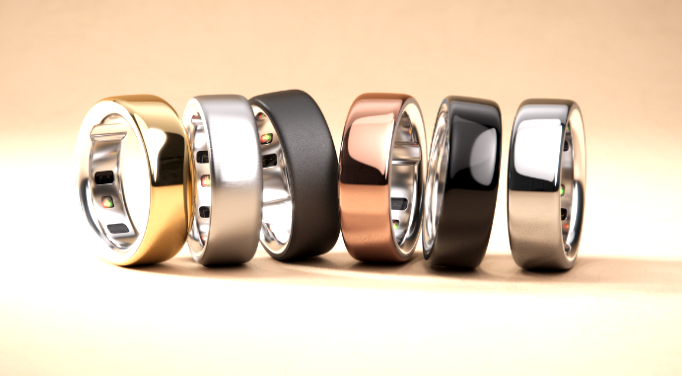
Contenders at a Glance
| Product | Price (AUD) | Key Specs | Battery Life | IP Rating | Weight | Strengths | Weaknesses | Best For | Store Link |
|---|---|---|---|---|---|---|---|---|---|
| Oura Ring (Gen 4) | $546 | HR, HRV, SpO2, temperature, sleep & readiness scoring | 4-8 days | 10 ATM | ~5 g | Deep insights, polished app, broad ecosystem support | Monthly subscription and premium pricing | Deep wellness & recovery tracking | Buy on Amazon |
| Samsung Galaxy Ring | $698 | HR, HRV, SpO2, temperature, sleep & Energy Score with Galaxy Health | 5-7 days | 10 ATM | 2.3-3.0 g | No subscription, seamless Samsung ecosystem | Works best within Samsung Galaxy devices | Samsung ecosystem users | Buy on Amazon |
| Ultrahuman Ring Air | $599 | HR, HRV, temperature, sleep & recovery analytics | 4-7 days | Water resistant | Lightweight titanium | No fees, strong recovery metrics | App polish still evolving | Active users who want no fees | Buy on Amazon |
| RingConn Gen 2 | $499 | HR, HRV, SpO2, temperature, sleep with charging case power bank | 10-12 days; >150 days with case | 5 ATM+ | ~3 g | Excellent endurance and value | Simpler analytics than premium rivals | Battery life & budget value | Buy on Amazon |
Reviews – Let’s Take a Closer Look
Oura Ring (Gen 4)
Pros
- Best-in-class sleep and readiness analytics
- Excellent app polish and long-term reliability
- Solid 4-8 day battery life
Cons
- Monthly membership required for full features
- Premium price tag
- Slightly thicker than ultra-minimalist designs
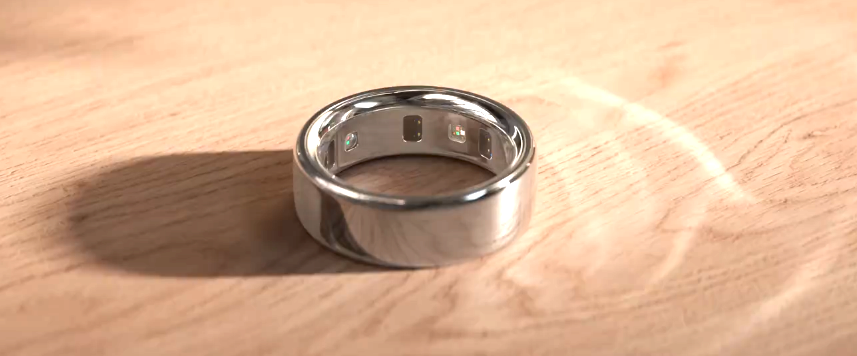
Oura remains the benchmark for wellness depth. Its sensors and algorithms turn HRV, temperature trends, and sleep stages into an easy-to-understand readiness score that actually shapes your day. Unlike many trackers, the guidance feels contextual and specific: rest when your recovery is low, push when your metrics say you’re primed.
Comfort and durability are strong. The titanium build, multiple finishes, and refined profile make it wearable day and night. Real-world battery life commonly lands around 5-6 days with all features enabled, and a quick top-up keeps it rolling without fuss.
The main caveat is the membership. Unlocking the deepest insights requires a monthly fee; for data-driven users it’s worth it, but budget-minded buyers should factor it into long-term costs. If you want the richest, most trusted wellness analysis, this is still the ring to beat.
Summary: The gold standard for health insight and app maturity.
Best for: Users seeking the most accurate, actionable wellness analytics.
| Product | Price (AUD) | Store Link |
|---|---|---|
| Oura Ring (Gen 4) | $546 | Buy on Amazon |
Samsung Galaxy Ring
Pros
- No subscription fees
- Premium titanium construction with very light feel
- Tight Samsung Health integration
Cons
- Limited cross-platform support (best on Galaxy phones)
- Less depth than Oura’s paid insights
- Premium pricing
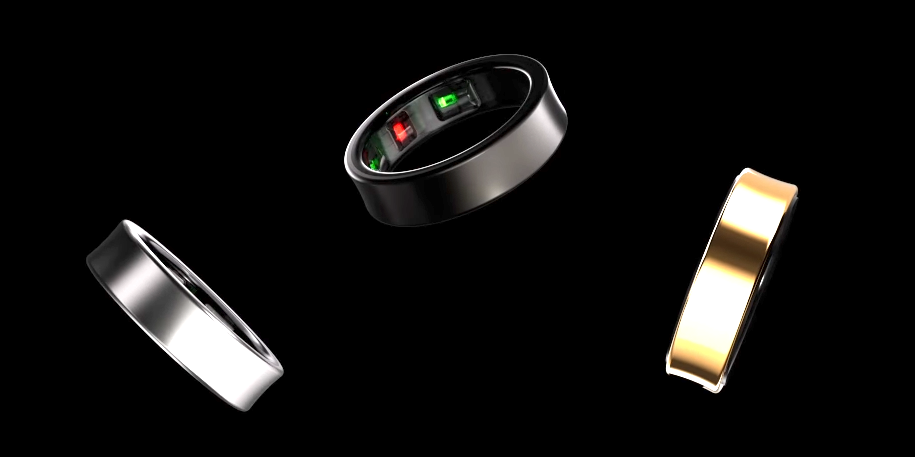
Samsung’s Galaxy Ring nails the everyday experience. Pairing is instant on a Galaxy phone, data funnels straight into Samsung Health, and the Energy Score makes sense at a glance. It’s the definition of low friction, with strong sleep and wellness tracking that’s more than enough for most people.
Hardware is excellent: feather-light, comfortable, and durable with 10 ATM water resistance. Battery typically runs 5-7 days, and the compact charger makes top-ups painless. While its analytics aren’t as nuanced as Oura’s, the overall polish and subscription-free model are huge wins.
If you already use a Galaxy phone, this is the most seamless path into smart rings. The trade-off is ecosystem lock-in, but inside that garden, life is very good.
Summary: The smoothest, most hassle-free ring for Galaxy users.
Best for: Samsung phone owners who want reliable, subscription-free tracking.
| Product | Price (AUD) | Store Link |
|---|---|---|
| Samsung Galaxy Ring | $698 | Buy on Amazon |
Ultrahuman Ring Air
Pros
- Subscription-free performance
- Robust recovery and sleep metrics
- Durable, comfortable titanium-tungsten build
Cons
- App polish and stability still improving
- Fewer third-party integrations
- Smaller global community than the leaders
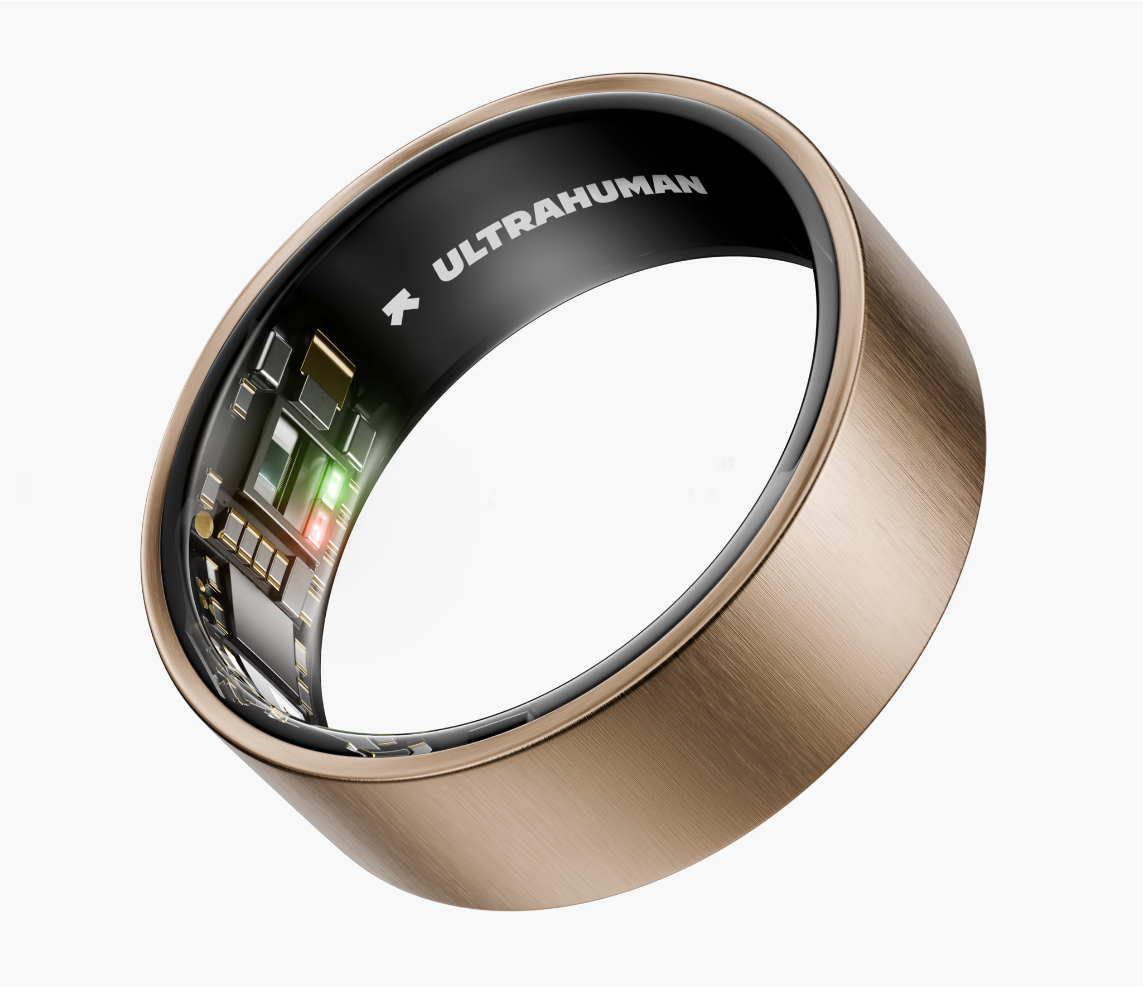
Ultrahuman’s value proposition is simple: a one-off purchase for serious recovery tracking. It focuses on clarity over gimmicks, turning HRV and sleep patterns into training-friendly guidance without hiding key features behind a paywall. For many, that’s the perfect balance of capability and freedom.
The hardware feels tough yet light, and the ring disappears on the finger during workouts and sleep. Battery life averages 5-7 days with sensible settings. The companion app has been steadily refined, adding features and smoothing rough edges.
If you want credible, science-backed metrics without ongoing fees—or you’re fitness-first rather than wellness-as-lifestyle—Ultrahuman is a compelling alternative to the pricier incumbents.
Summary: Strong recovery data without subscriptions or frills.
Best for: Active users who prefer a one-time cost and straightforward insights.
| Product | Price (AUD) | Store Link |
|---|---|---|
| Ultrahuman Ring Air | $599 | Buy on Amazon |
RingConn Gen 2
Pros
- Unmatched battery endurance (10-12 days)
- Charging case extends power for months
- Excellent value for money
Cons
- Simpler analytics and app experience
- Fewer integrations and smaller brand footprint
- Guidance less prescriptive than premium rivals
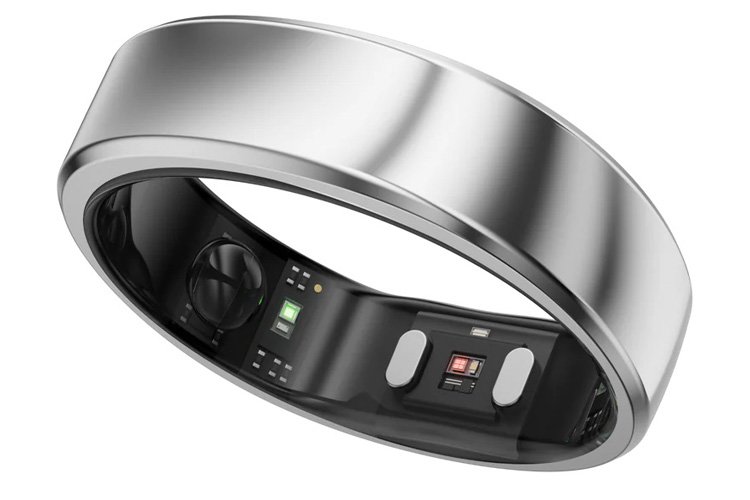
RingConn Gen 2 is the set-and-forget option. It tracks all the essentials—HR, SpO2, HRV, temperature, sleep stages—then lasts a week and a half per charge. The case doubling as a power bank means you can go on long trips without hunting for an outlet.
You trade depth for endurance. Insights are clear but not as layered as Oura’s or even Ultrahuman’s. For users who want vital signs and sleep summaries without a learning curve or a subscription, it hits a sweet spot—especially at this price.
Travellers, minimalists, and battery-life obsessives will love it. Power users who want layered readiness coaching may want to look higher up the range.
Summary: Long-lasting, low-maintenance tracking at a friendly price.
Best for: First-time buyers and frequent travellers.
| Product | Price (AUD) | Store Link |
|---|---|---|
| RingConn Gen 2 | $499 | Buy on Amazon |
Conclusion
The 2025 smart-ring landscape is more capable—and more differentiated—than ever. Oura Ring (Gen 4) still tops the field for wellness depth, app maturity, and proven accuracy. If you will use its insights to shape training, rest, and daily routine, the membership pays dividends by turning raw biometrics into daily guidance.
Samsung Galaxy Ring is the friction-free choice for Galaxy owners. It sacrifices a bit of analytical depth for beautiful simplicity and zero ongoing cost, which for many is the smarter long-term value. If you live in Samsung’s world, start here for a seamless experience that just works.
Ultrahuman Ring Air meets performance seekers in the middle with robust recovery metrics, credible sleep analysis, and no subscriptions. With steady app updates and strong hardware, it is a highly practical buy for athletes and data-driven professionals who prefer a one-time purchase.
RingConn Gen 2 does not win on analytics, but it redefines convenience. Multi-week battery life plus a power-bank case make it the best choice for travellers and anyone who hates charging. It is the sensible entry point to see if rings fit your life without committing to higher prices or memberships.
Recommendations
| Product | Best For | Price (AUD) | Store Link |
|---|---|---|---|
| Oura Ring (Gen 4) | Wellness depth & precision | $546 | Buy on Amazon |
| Samsung Galaxy Ring | Samsung users wanting subscription-free tracking | $698 | Buy on Amazon |
| Ultrahuman Ring Air | Subscription-free recovery tracking | $599 | Buy on Amazon |
| RingConn Gen 2 | Battery life and budget value | $499 | Buy on Amazon |
Sources
Show sources
Hide sources
Frequently Asked Questions
Which ring is most accurate for sleep tracking?
Oura Ring (Gen 4) has the most validated sleep and readiness metrics among these four, with strong correlation studies and long-term updates.
Do any of these require a subscription?
Only Oura requires a membership for full insights. Samsung, Ultrahuman, and RingConn are subscription-free.
Which lasts the longest on a charge?
RingConn Gen 2 leads with 10-12 days per charge, and the power-bank case extends time between wall charges dramatically.
Can I swim or shower with these rings?
Yes. Oura and Samsung are 10 ATM rated, RingConn is 5 ATM+, and Ultrahuman is water-resistant for everyday splashes and workouts.
What’s best if I use a Samsung phone?
The Samsung Galaxy Ring integrates flawlessly with Samsung Health and One UI, offering a seamless, subscription-free experience.
What about iPhone users?
Oura and Ultrahuman both offer strong iOS apps and sync with Apple Health, while RingConn supports iOS with straightforward analytics.
Which is the lightest or least noticeable?
The Galaxy Ring’s smallest sizes are extremely light at roughly 2.3-3.0 g. Oura balances lightness with durability and sensor density.
I travel a lot — what should I buy?
RingConn Gen 2 for its endurance and power-bank case. If you need deeper coaching while travelling, Oura is the premium pick.
Do these rings sync with Apple Health or Google Fit?
Oura and Ultrahuman integrate with Apple Health and Google Fit. Samsung slots into the Galaxy ecosystem, and RingConn offers both platforms with a simpler app.
Are sizing kits necessary?
Sizing kits are highly recommended. Correct sizing improves comfort and sensor accuracy, especially for sleep staging and overnight HRV.
What’s Coming?
The next wave of smart rings is shaping up to be even smarter. Oura’s next-gen hardware is rumoured to expand sensors and refine recovery modelling, while Samsung’s follow-up will likely deepen Galaxy AI integration and power efficiency. Amazfit’s Helio line continues to court athletes with performance-first data through Zepp, and other brands are piloting bigger data-sharing options with Apple Health and Google Health Connect. Expect stronger AI-assisted insights, broader platform interoperability, and incremental gains in comfort and endurance that push rings closer to background wearable status.